How to Care for a Satin Skirt: Washing, Ironing, Storing


Knowing how to care for a satin skirt is what keeps it glossy, smooth and swishy for years. Satin is a delicate weave, so small habits matter more than expensive products. This guide covers washing, ironing, steaming, storing and stain rescue, step by step.
Table of Contents
How to Care for a Satin Skirt: The Quick Version
If you only have a minute, here is how to care for a satin skirt in six lines.
- Read the care label on your own skirt first. It always wins over general advice.
- Wash gently, ideally by hand, in cool water with a mild detergent.
- Never wring or twist the fabric. Press the water out instead.
- Dry flat or on a padded hanger, away from direct sun and heat.
- Iron on the reverse side at low heat, or steam from a distance.
- Store it hanging or loosely folded, never crushed under heavy items.
The rest of this guide explains each step, so you can follow how to care for a satin skirt without guessing.
What Makes Satin Different From Other Fabrics
Satin is a weave, not a fibre. It is built so that long threads float across the surface, which creates the smooth, shiny face people love. You can read more about the weave in this overview of satin.
That shiny face is also the weak spot. Long floating threads snag easily and show every scuff, crease and water mark.
This is why how to care for a satin skirt is more about patience than products. Rough handling, hot irons and harsh detergents dull the sheen fast.
Satin can be made from different fibres, such as silk or polyester. The fibre changes how the fabric reacts to water and heat. So the first rule of how to care for a satin skirt is simple: find out what yours is made of.
Check the Care Label Before Anything Else
Every skirt is different, so how to care for a satin skirt always begins with the label. The label sewn inside the waistband or side seam is your best source of truth.
Look for these details:
- The fibre content, such as polyester, silk or a blend
- The recommended wash method: hand wash, machine wash or dry clean only
- The water temperature limit
- Whether ironing is allowed, and at what heat
- Any instructions for lace trims or linings
If the label is missing or unreadable, treat the skirt as delicate. Choose the gentlest option each time. For help reading the symbols, see this guide to laundry symbols.
Different brands and different skirts can come with different instructions. Follow the label on the piece you own.
How to Care for a Satin Skirt by Hand Washing
Hand washing is the safest answer when people ask how to wash a satin skirt. It protects the surface and the seams. It also takes less than ten minutes, and it is the heart of how to care for a satin skirt.
What You Need
- A clean basin or sink
- Cool or lukewarm water
- A mild, gentle detergent made for delicates
- Two clean towels in a light colour
Step-by-Step Hand Wash
- Fill the basin with cool water and add a small amount of detergent.
- Swish the water until the detergent dissolves fully.
- Turn the skirt inside out and lower it into the water.
- Press and glide it gently with your hands for two to three minutes.
- Drain the basin and rinse in clean, cool water until the suds are gone.
- Lift the skirt out without twisting it.
Skip any soaking for long periods. Quick and gentle is better for satin.
How to Remove Water Without Wringing
Wringing creates creases and can stretch the weave. Lay the skirt flat on a towel instead. Roll the towel up with the skirt inside and press lightly.
Unroll it straight away. The skirt will be damp, not dripping, and ready to dry.
Can You Machine Wash a Satin Skirt?
Sometimes, but only if the label allows it. When in doubt, hand wash. Even then, how to care for a satin skirt in a machine depends on the settings you choose.
If your label permits machine washing, reduce the risk with a few habits:
- Place the skirt in a mesh laundry bag.
- Choose the delicate or hand-wash cycle.
- Use cool water and a low spin speed.
- Wash it with other soft, light items, never with zips, hooks or rough fabrics.
- Take it out as soon as the cycle ends.
A mesh bag protects the floating threads from catching. Hooks and zips on other clothes are a common cause of pulls.
Lace trims need extra care. If a skirt has a lace hem or panel, the lace can snag more easily than the satin. A bag and a gentle cycle are worth the extra minute.
Which Detergent Is Best for Satin
The detergent you pick is a big part of how to care for a satin skirt. Choose a mild liquid detergent made for delicates. Liquids dissolve more evenly than powders, so they leave fewer streaks.
Avoid these:
- Bleach or products with optical brighteners, which can affect colour
- Strong stain removers poured straight onto the fabric
- Fabric softeners, which can leave a film on the surface
Always test a new product on a hidden spot, such as the inside of the hem. Wait until it dries to check for marks.
How to Dry a Satin Skirt Without Damage
Drying is where many satin skirts lose their shine, so how to care for a satin skirt at this stage matters. Heat is the main enemy.
The safest routes are:
- Flat drying: lay the skirt on a clean towel in a shaded, airy room.
- Hanging: use a padded hanger, or clip the waistband to a skirt hanger. Avoid thin wire hangers that leave marks.
Keep the skirt away from radiators, hair dryers and direct sunlight. Sun can fade deep colours such as navy and burgundy over time.
Avoid the tumble dryer unless the label clearly says it is fine. Heat and friction can dull the surface and cause shrinkage.
How to Care for a Satin Skirt: Ironing Safely
Many people avoid ironing satin because they fear scorch marks. Yet ironing is a normal part of how to care for a satin skirt, and with the right method it is straightforward. Here is how to iron satin without leaving shiny patches.
Ironing Rules That Protect the Sheen
- Turn the skirt inside out. This protects the glossy face.
- Set the iron to a low heat. Test on a hidden seam first.
- Keep the steam function off unless the label allows it.
- Place a thin cotton cloth between the iron and the fabric.
- Press, lift and move on. Do not drag the iron across the surface.
- Let the skirt cool fully before wearing or hanging it.
Polyester satin melts at high temperatures, so low heat matters. Silk is also sensitive to heat and water marks. If you are unsure, use a steamer instead.
Ironing Satin With a Lace Hem or Panel
Lace and satin react differently to heat. Press the satin first, then work around the lace with the cloth in place. Do not press hard on lace, because it can flatten the pattern.
How to Get Satin Wrinkles Out With a Steamer
Steaming is the easiest part of how to care for a satin skirt. A handheld steamer is often the kindest tool when you want to smooth satin wrinkles. It relaxes creases without touching the fabric.

Follow these steps:
- Hang the skirt on a padded hanger.
- Hold the steamer a few centimetres away from the fabric.
- Move slowly from the waistband down to the hem.
- Lightly tug the hem straight with your free hand.
- Let the skirt hang until it is fully dry.
Test on a hidden area first. On some satin, steam can leave water spots, especially on silk. If you see spots, step back and keep a greater distance next time.
No steamer? Hang the skirt in the bathroom while you take a hot shower. The humidity can loosen light creases. Close the door and keep the skirt out of direct spray.
How to Prevent Satin Wrinkles in the First Place
Satin wrinkles easily because the smooth surface shows every fold. Prevention is easier than repair, and it is a smart part of how to care for a satin skirt.
Try these habits:
- Hang the skirt right after wearing it, once it has aired.
- Avoid sitting for hours in tight seats when possible. Smooth the skirt under you.
- Do not cram it into a packed wardrobe.
- When travelling, roll it loosely or fold it with tissue paper between layers.
- Unpack it as soon as you arrive.
Long skirts crease at the seat and knees, while mini skirts crease mostly at the waistband. Pay attention to those spots after each wear.
How to Care for a Satin Skirt in Storage
Good storage is the last piece of how to care for a satin skirt. A clean, cool, dry place is all it needs.
Hanging Storage
Hanging works well for long satin skirts because it avoids fold lines. Use a padded hanger with clips, or a skirt hanger with soft grips. Leave a little space around the garment so air can move.
Folded Storage
Mini skirts can be folded in a drawer. Fold along natural lines and avoid sharp creases. Place a sheet of acid-free tissue paper inside the fold for extra protection.
A Few Storage Rules
- Keep skirts away from direct sunlight, which can fade the colour.
- Store them in a breathable garment bag, not a sealed plastic one.
- Do not store a skirt that is damp or has perfume on it.
- Keep it away from rough fabrics that can catch the weave.
If you are building a wardrobe around satin, our Long Skirts collection is a good place to see how different lengths hang.
How to Handle Stains on Satin
Stains are the hardest part of how to care for a satin skirt. Act quickly, because fresh stains are far easier to treat than dried ones.
- Blot the stain with a clean, soft cloth. Do not rub.
- Rinse the area from the back with cool water.
- Dab a tiny amount of mild detergent on the spot.
- Rinse again and press out the water with a towel.
Avoid hot water, since heat can set some stains. For oil, wine or makeup marks that will not lift, a professional cleaner is the safer choice. Tell them the fibre type if you know it.
Water marks are another common problem. If a spot appears after a light splash, dampen the whole panel evenly with a clean damp cloth, then let it dry flat. The mark often fades once the entire area dries together.
Common Mistakes When Caring for a Satin Skirt
Many satin skirts are not ruined by one big accident. They are worn down by small habits. Most errors in how to care for a satin skirt are easy to avoid.
- Using hot water or a hot dryer
- Wringing or twisting the fabric
- Ironing directly on the shiny side
- Using strong bleach or heavy stain products
- Hanging on thin wire hangers
- Leaving the skirt in a crowded wardrobe
- Skipping the care label
Avoid these and you already know most of how to care for a satin skirt.
How Often Should You Wash a Satin Skirt
Not after every wear. How often you wash is part of how to care for a satin skirt, and satin does not absorb odours as quickly as many fabrics, and frequent washing wears the surface.
Air the skirt on a hanger for several hours after wearing. Spot clean small marks and wash only when it needs it. A skirt worn for a few hours at dinner often just needs airing.
This also saves time, and the fabric stays smoother for longer.
Caring for Satin Skirts With Lace Details
Some satin skirts have lace trims at the hem or on a panel. The lace adds beauty, but it adds one more step to how to care for a satin skirt: a softer touch.
- Hand wash instead of machine washing when you can.
- Never pull or stretch the lace while it is wet.
- Dry the skirt flat so the lace keeps its shape.
- Store it so the lace does not catch on zips or hooks.
If you like the look, our Aura Mini Skirt and Lustre Long Skirt both pair satin with lace. For a specific piece, check the product page or contact us.
Frequently Asked Questions
How do you care for a satin skirt?
To care for a satin skirt, check the label first. Hand wash gently in cool water with mild detergent, press out water without wringing, and dry flat or on a padded hanger. Iron inside out on low heat or steam from a distance. Store it hanging or loosely folded.
Can you wash a satin skirt in the washing machine?
Only if the care label allows it. Use a mesh bag, the delicate cycle, cool water and a low spin. Keep it away from zips and hooks. If the label says hand wash or dry clean only, follow that. Hand washing is the safest choice when you are unsure.
How do you iron a satin skirt without ruining it?
Turn the skirt inside out and set the iron to low heat. Place a thin cotton cloth between the iron and the satin, then press and lift rather than dragging. Test a hidden seam first. If the label does not allow ironing, use a steamer instead.
How do you get wrinkles out of satin?
A handheld steamer is the gentlest method. Hang the skirt, hold the steamer a few centimetres away and move slowly down from the waist. You can also hang it in a steamy bathroom. Avoid high heat, since polyester satin can melt and silk can water mark.
How do you store a satin skirt?
Store satin skirts in a cool, dry, dark place. Hang long skirts on padded hangers or fold mini skirts loosely with tissue paper. Use a breathable garment bag and leave space in the wardrobe. Avoid sunlight, damp areas and heavy items on top.
Can you tumble dry satin?
It is best to avoid it. Heat and friction can dull the shine, cause shrinkage and damage the weave. Lay the skirt flat on a towel or hang it on a padded hanger in a shaded, airy room. Always follow the care label on your own garment.
How often should you wash a satin skirt?
Wash it only when it needs it, not after every wear. This is the easiest tip for how to care for a satin skirt. Air it on a hanger after wearing and spot clean small marks. Washing less often protects the shine and the fibres, so the skirt stays smooth and lasts longer.
Find Your Next Satin Skirt
Now you know how to care for a satin skirt, from the first wash to long-term storage. A little care keeps the shine bright and the drape smooth.
Need ideas for wearing it? Read our satin skirt outfit ideas and our guide on how to style a mini skirt. Ready for a new piece? Browse our Long Skirts collection and enjoy worldwide shipping from L’Art de Toranj.
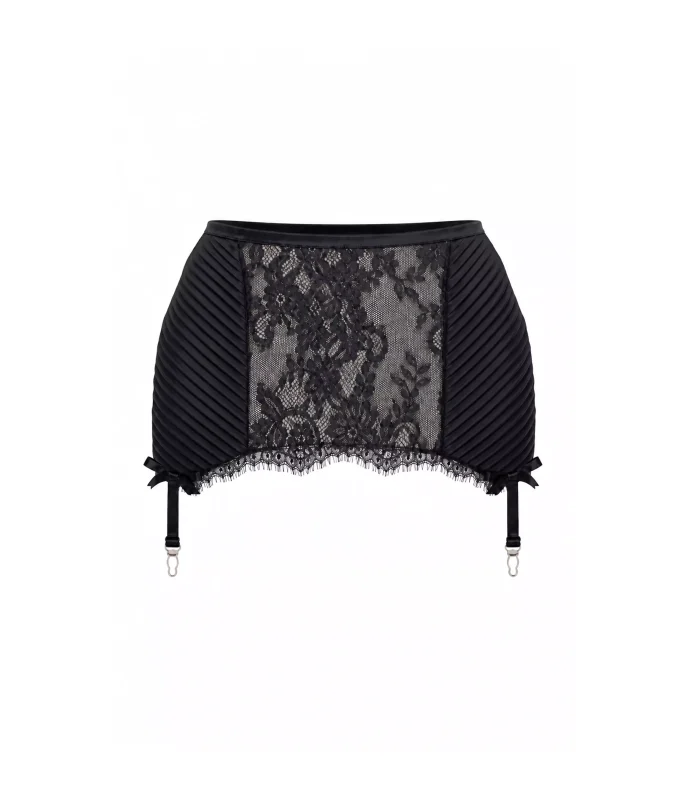
The Mini Skirt Collection
Satin and lace mini skirts that pair with every corset in the edit. Worldwide shipping.
Shop now